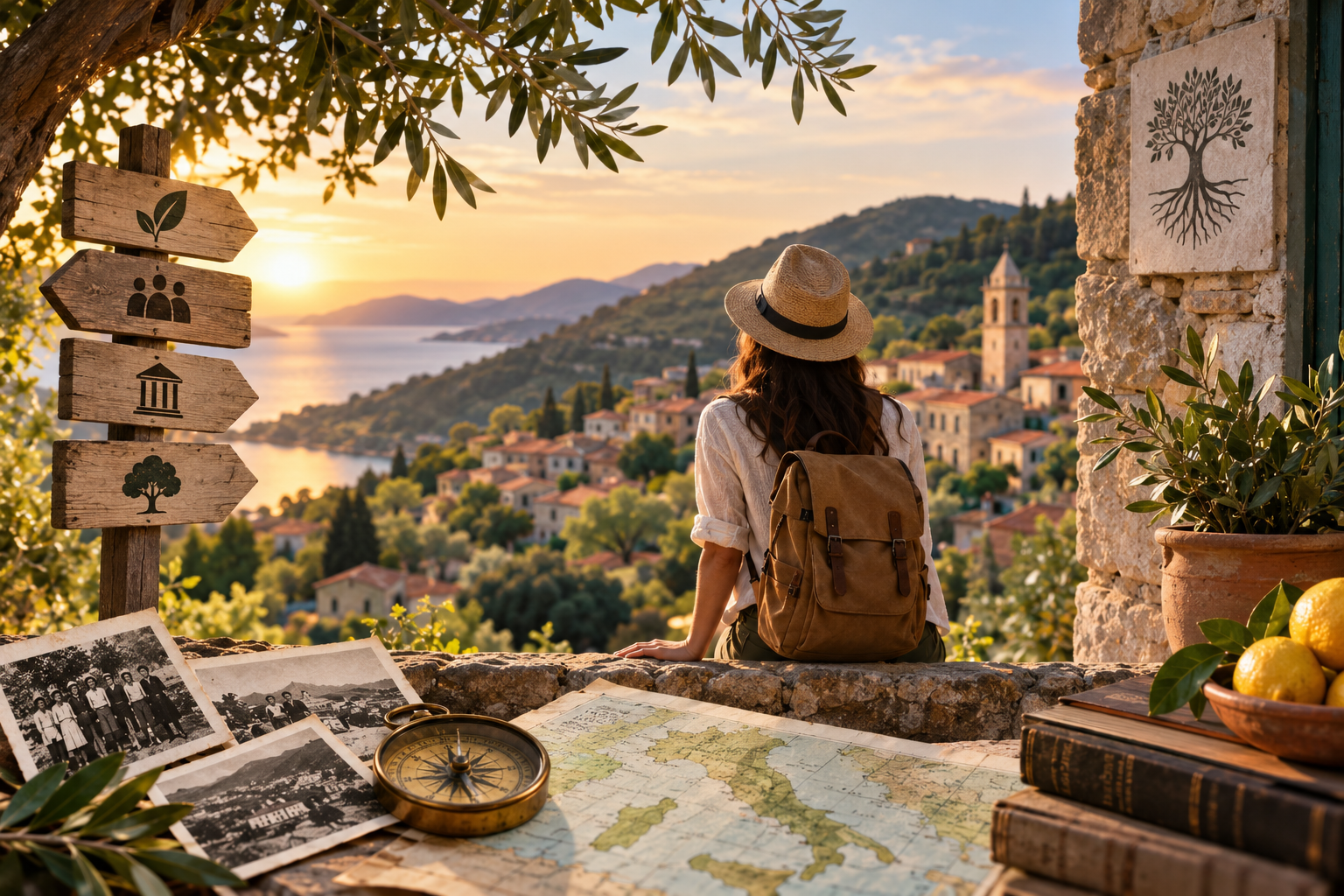
Of all “adjectival” Tourisms, Sustainable Tourism is indisputably the oldest, broadest, most researched, and most comprehensively defined in law and in detail through ecolabels around the world. In this short blog post, we will discuss what it has in common with Roots Tourism and how it may define a better form of this new, rapidly emerging segment, as Sustainable Roots Tourism. Sustainable Tourism and Roots Tourism The official, concise definition of Sustainable Tourism, established jointly by UN Tourism (formerly the United Nations World Tourism Organization or UNWTO) and the United Nations Environment Programme (UNEP), is: “Tourism that takes full account of its current and future economic, social and environmental impacts, addressing the needs of visitors, the industry, the environment and host communities.” Roots Tourism (RT) has no single, codified legal definition at the international level, but a standard working definition used in European policy circles is the one coined by De Marchi and Mingotto in 2016: “Tourism generated by migrants who go on vacation in their country of origin or by their descendants who wish to visit and learn about their family’s homeland.” [De Marchi, D., & Mingotto, E. (2016). Turismo delle origini. Quadro preliminare delle potenzialità in Italia. In IRSS (Ed.), XX Rapporto sul Turismo Italiano (pp. 589–596)] RT is usually categorized under Cultural Tourism by UN Tourism, whereas the EU associates it with Heritage Tourism and Rural Development and funds it to avoid both rural depopulation and the loss or dilution of cultural heritage. Italy was the first country to declare a Year of Roots Tourism (Turismo delle radici) in 2024 and invested substantially in rural municipalities to develop infrastructure, genealogy services, and itineraries for the estimated 80m people of Italian descent globally. It is therefore easy to understand why Roots Tourism is fully compatible with the goals of Sustainable Tourism, compared, for example, with Luxury Tourism or Space Tourism. It is interesting, however, to pinpoint how it can be made more sustainable-environmentally, socially, and economically-in itself. Roots Tourism is not automatically sustainable While it is often assumed that RT is inherently sustainable, mainly because it disperses tourists to many rural areas and throughout the year, if poorly managed, it can have a negative impact for the same reasons! Imagine the sudden, unannounced arrival of a huge group in a tiny, or nearly deserted, village. The terms “paralysis” and “loved to death” come to mind. Or, perhaps worse, the arrival of a billionaire emigrant who summarily buys his ancestral village and the surrounding countryside to turn them into an exclusive retreat. Unlike Sustainable Tourism, which has a general focus, RT is a specific niche in terms of geography, motivation, and marketing, as it involves emigrants who seek their identity, ancestry, and reconnection with specific villages and rural communities. To become sustainable, RT has to evolve from a niche market to a model that also meets the real needs of the local community in a sustainable way and strengthens the residents’ ability to remain, work, transmit heritage, and shape their communities. Applying Sustainable Tourism tools to Roots Tourism Sustainable Tourism’s key tools and policies can also be applied in the case of RT: While there is no need to reinvent the wheel, some adjustments and customizations are necessary. For example, standard measurements like hotel water usage are less interesting in a small mountain village with abundant water supplies. It is more useful to measure if the local dialect is being preserved, if the local calendar and sensitivities are respected, or if traditional crafts are benefiting from RT. On the other hand, as Roots Tourists fly long haul, from the Americas and Australia to Europe, their transport-related carbon footprint is higher than that of the average mainstream tourist. This is a great opportunity, however, to encourage them to offset their flight by directly funding an environmental project in their ancestral village, for example: Managing visitors and local resources In terms of visitor management and overtourism pressures, we have to think along the lines of what constitutes the main attraction for the tourists—is it the village square with the single cafe/taverna, or rather the local registry that holds the genealogical records? Probably both. Both the local taverna and the local registry should ideally have some sort of notice, booking system, timed access, and group-size limit in place, rather than 50 people descending unannounced. Imagine if the single clerk is away that week because it’s olive harvest time, if a tourist monopolizes his time for hours, or if the taverna is closed as it is the slow season and the owner is spending time with his daughter in the city. A local RT council should devise alternatives to avoid concentrating demand. Rather than encouraging new hotel construction, a scattered hotel model (Albergo Diffuso in Italy) may be more suitable so that empty or abandoned village homes are used as a decentralized hotel or as short-term rentals. Keeping the benefits within the community In relation to frameworks, we have to ensure that most revenue is captured by local businesses and the local community, rather than the international tour operator, agent, or intermediary. This involves training the local youth to act as: and encouraging big tour operators to use them rather than bringing in people from the city. A targeted Roots Tourist tax, or a voluntary contribution, could be relatively easy to collect and could fund specific RT-related projects – for example, digitizing fragile genealogical records or establishing an annual roots-themed cultural festival – along with meeting other real local needs. RT-related gentrification may occur if wealthy descendants start buying local houses, inflating local prices for everyone else. Although it is not easy to block such transactions, a destination could perhaps tax them differently and create some disincentives, for example, for homes that are bought by foreigners but then remain vacant or are used as short-term rentals. Local employment, procurement, and ownership have to be prioritized or even enforced in some cases. Protecting communities, heritage and privacy More subtle risks and pressures include:
Roots Tourism & the Panigyria of Ikaria
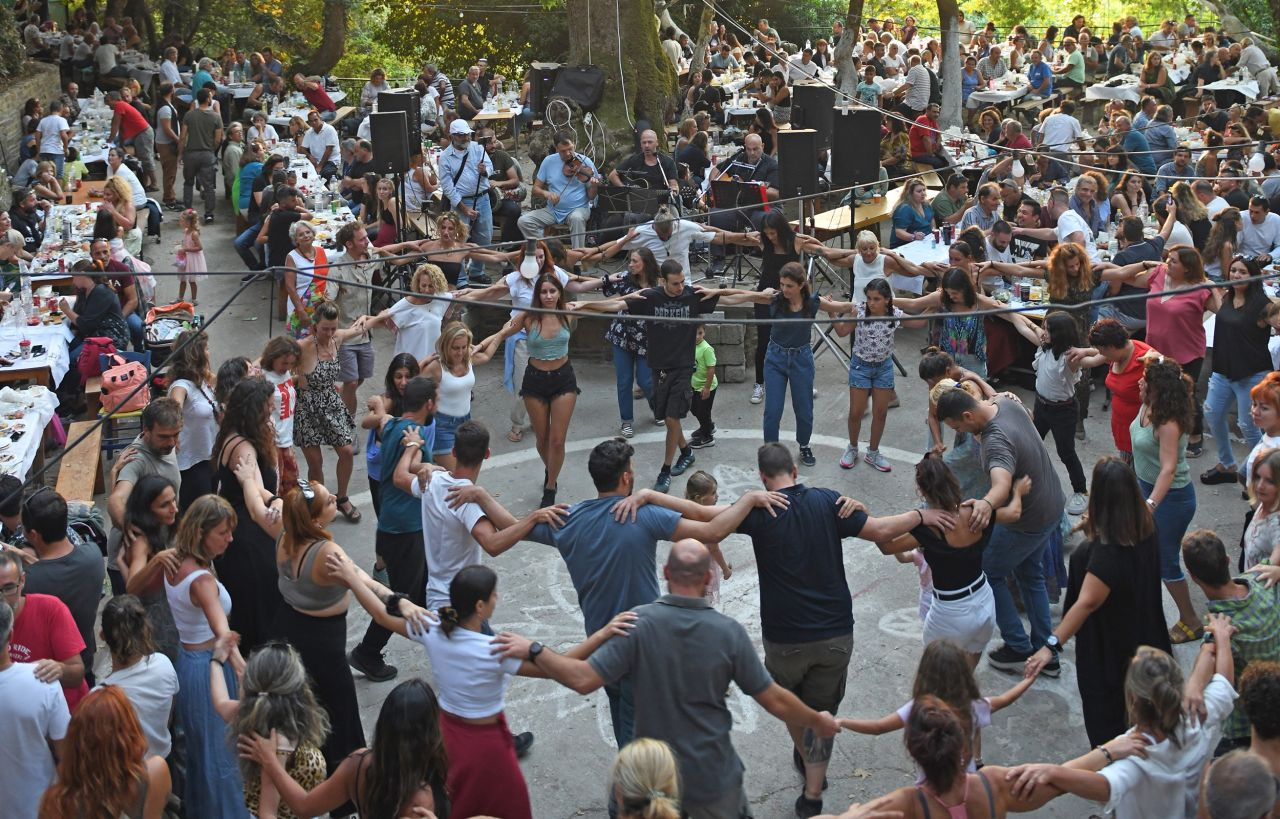
Ikaria can be called the Greeks’ favourite alternative Greek island. Named after the legendary Icarus who famously flew too close to the sun, it is unique in many ways: a Blue Zone regarding the longevity of its inhabitants, a Red Zone regarding their political preferences, and a Fun Zone regarding its famous feasts, the “Panigyria” of Ikaria, built on a traditional culture of Mutual Aid! The Ikarian Panigyria (plural, the single is “panigyri”) are among the most famous and distinctive traditional festivals in Greece, only matched in fame by those in Arcadia, Peloponnese. While deeply rooted in history, the modern iteration of the Panigyria – characterized by massive crowds, collective financing, and all-night revelry – emerged amid post-WWII poverty as a solidarity mechanism. Today, they are deeply intertwined with the concept of Roots Tourism for the Ikarian diaspora. Historically, panigyria all around Greece are religious feasts celebrating a village’s patron saint on a specific, fixed, day each year – their name day. In Ikaria, the island’s isolation, rugged terrain, and historical poverty forced the tradition to evolve into something uniquely social and economic. Ikaria historically lacked large landowners and wealth, thus survival depended on mutual aid. If a family needed to build a house or harvest crops, neighbors would help for free, knowing the favor would be returned. During the late 1950s and early 1960s, a period of poverty and mass emigration from the island, the local panigyria transformed from simple communal meals into a means of financing public works. Instead of individuals paying for the feast, local village associations took over the organization. Volunteers provided the labour, cooking the local goat called “rasko,” serving the famous local red “Pramnios” wine (mentioned by Homer, Hippocrates and Galen) and setting up lines of long benches called “seraila.” Visitors and locals paid for the food and drink, and all profits went directly to the village to build essential infrastructure: roads, school repairs, water reservoirs, or the local church. Because of this shift, the modern Ikarian panigyri operates as a massive exchange system of goods, services, and culture, embodying an egalitarian spirit: the festivals are famous for breaking down social barriers. Everyone eats the same boiled goat, drinks the same wine, and dances the same Ikariotikos dance in continuous, massive circles. It is often described as having a “Dionysian” trance-like atmosphere where ego and social status are temporarily suspended. Today, these volunteer-run festivals can attract thousands of people, lasting from the early afternoon until sunrise! The evolution of the panigyria is intrinsically linked to the Ikarian diaspora and the phenomenon of Roots Tourism. When thousands of Ikarians emigrated to Athens, America, and Australia for a better life, the panigyria became the mechanism to funnel diaspora wealth back to the villages. Some emigrants would return in the summer specifically for these festivals, knowing that the money they spent at the panigyri would literally build the village they left behind. For second and third-generation Ikarians living abroad, the panigyria are the ultimate anchor to their heritage. The festivals offer an immersive, authentic experience of their ancestors’ culture – one that hasn’t been over-sanitized for conventional tourism, although sometimes modern music is also played. They return to participate not just as spectators, but as part of the communal circle dancing the Ikariotikos. The connection is so strong that diaspora communities (like the Pan-Icarian Brotherhood of America, the Pan-Ikarian Brotherhood of Australia “Ikaros” and the “Friends of Ikaria” in Brussels) actually organize their own authentic Ikarian panigyria abroad. They use the exact same model: volunteer labor, traditional music, and all proceeds are sent back to fund projects on the island of Ikaria. The Ikarian panigyri is not just a party or a feast; it is an enduring socio-economic institution that provides the diaspora and roots tourists with a profound, participatory connection to their ancestral identity. They have been officially recognised as an integral part of the local culture through their inclusion in the Intangible Cultural Heritage of Greece. The most famous Ikarian panigyria are those of Christ of Rachon (June 24), Mavrato (May 21) and Lagada (August 15) but there are dozens more, listed at https://www.visitikaria.gr/ Not all take place each year, usually you only find out 2-3 days in advance. If there is a recent death in a village the panigyri does not take place out of respect. Video: Panigyri in Karavostamo, Ikaria, 2013 Ultimately, the Ikarian panigyri shows that Roots Tourism does not have to be about simply visiting the places where one’s ancestors once lived. It can mean stepping back into a living community and taking part in traditions that continue to connect people across generations and continents. For the Ikarian diaspora, returning for a panigyri means dancing, eating, volunteering and contributing alongside local residents rather than merely observing their heritage from the outside. This is perhaps what makes the tradition so powerful: the connection with one’s roots is not preserved behind glass, but renewed every summer through participation. In Ikaria, heritage remains alive because it is shared – and because, wherever Ikarians may live, the circle of the Ikariotikos always leaves room for them to return.
From Family Memory to Professional Skills: Integrating Roots Tourism into Tourism Schools and VET Programs
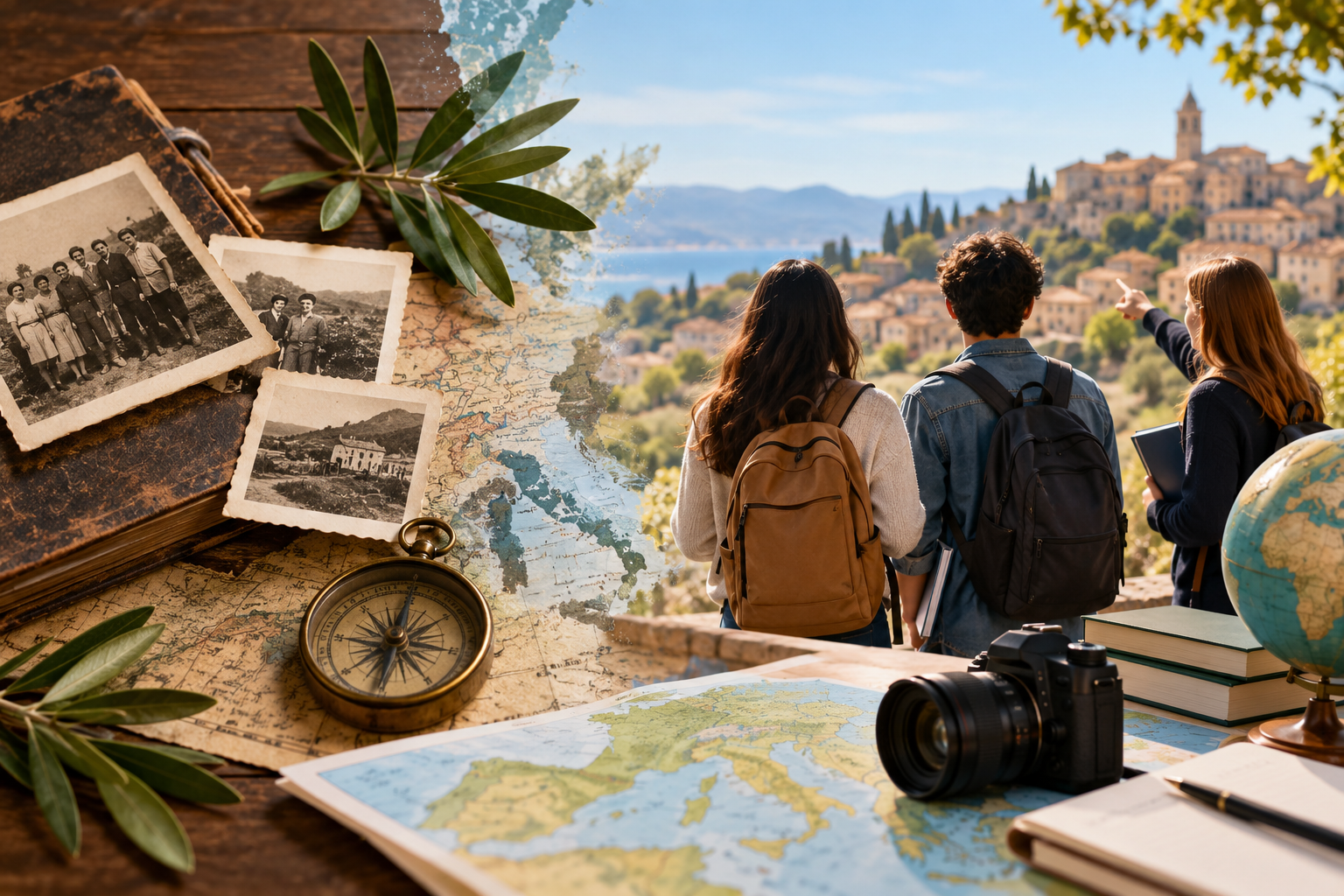
Roots tourism can be usually considered a linkage between origins of ones, the genuine interest, and discovering the world as it is. Providing the knowledge, skills and opportunities The very first step could easily be done in schools as it is the place where we spent a great piece of our lives. Of course it is not only teachers and schools responsibility to make one eager to get to know their own roots or help the others, so a greater cooperation of multiple stakeholders is needed. Students can learn how to use not only their own memory, but also personal stories written, spoken or taught by others: Exploring in-person such places as: archives, libraries, museums, migration places, old industrial or rural sites can benefit with deeper connection to your roots as well. The crucial role of schools, especially Tourism Schools and VET Programs is to show: A not only class project Let’s begin with a simple class project – somewhere very popular yet somewhere never-heard-of: FAMILY TREE. It can even start with only one family photo – where students first try to identify the place and people, which can lead to exchanging stories of their own families. Creating a family tree, which can create a very first interest in students’ roots. Students can not only put up photos of members of their family but also stories they said, things they made, little pieces of clothes or attributes they wore, or even recipes they cooked. The point is not only to know faces, but to know general attributes or roles in society of our ancestors. It can lead to a shorter or longer trip to where some of the students’ ancestors lived. But not so easy – let’s make it a valuable experience too. What if the students planned a trip to their roots almost on their own, of course with the help of a teacher, tourist organization advice and local authorities cooperation. In general, the first most important role is to create an interest in roost tours, the second is to give the basic knowledge and skills to be able to explore and the third is to let them use it in real life. Then, we can be surprised how much they can learn and gain as much as possible from this type of experience. The opportunity for roots tourism is almost everywhere, we only have to open the door. References European Commission. (n.d.). Cultural heritage and education. Culture and Creativity. Li, T., McKercher, B., & Chan, E. (2020). Towards a conceptual framework for diaspora tourism. Current Issues in Tourism, 23(17), 2109–2126. Tomczewska-Popowycz, N. (2024). Turystyka sentymentalna Polaków do Ukrainy Zachodniej. Katowice: Wydawnictwo Uniwersytetu Śląskiego. UNESCO. (n.d.). Safeguarding intangible cultural heritage in education. UNWTO. (2012). Tourism and Intangible Cultural Heritage. Madrid: World Tourism Organization.

European Best Practices in Roots Tourism: Case Studies and Innovative Models Across the EU
Roots Tourism is rapidly emerging as one of Europe’s most meaningful and identity-driven travel trends. Unlike traditional cultural tourism, it focuses on reconnecting individuals with their family origins, migration histories, and ancestral communities. Across the EU, several countries and regions have developed innovative models that blend heritage preservation, community engagement, and digital storytelling. This article explores some of the most compelling European best practices, offering inspiration for educators, tourism professionals, and policymakers. 1. Italy: Community-Based Roots Tourism and the “Turismo delle Radici” Model Italy is one of the most advanced laboratories for Roots Tourism, thanks to its vast diaspora. The Italian Ministry of Foreign Affairs launched the 2024 Year of Roots Tourism, supporting local municipalities in creating tailored experiences for descendants of Italian emigrants. Key elements include: 2. Portugal: The “Portuguese Diaspora Council” and Heritage Mapping Portugal has developed a strong network connecting diaspora communities with their regions of origin. The Portuguese Diaspora Council collaborates with municipalities to create: This model stands out for its multi-level governance, linking national institutions, local authorities, and diaspora associations. 3. Ireland: Genealogy-Driven Tourism and the EPIC Museum Ireland is a global pioneer in genealogy-based tourism. The EPIC The Irish Emigration Museum in Dublin offers: Ireland’s approach demonstrates how digital heritage tools can transform the visitor experience. 4. Spain: Local Archives and Intergenerational Storytelling Several Spanish regions, especially Galicia and the Canary Islands, have invested in: This model highlights the importance of intergenerational knowledge transfer in Roots Tourism. 5. Greece: Diaspora Engagement Through Cultural Routes Greece has developed thematic routes for diaspora travelers, combining: These routes are co-designed with local communities, ensuring authenticity and cultural respect. 6. Cross-Border Best Practice: The Danube Region Countries along the Danube (Austria, Hungary, Serbia, Romania, Bulgaria) collaborate on: This model shows how transnational heritage can become a powerful driver for Roots Tourism. What Makes These Models Successful? Across Europe, the most effective Roots Tourism initiatives share five key elements: These elements ensure that Roots Tourism is not just a nostalgic journey, but a transformative cultural experience. References European Commission. (2023). Cultural heritage and tourism: Policy reports and initiatives. Publications Office of the European Union. EPIC The Irish Emigration Museum. (2022). Digital heritage and diaspora engagement: Case studies. EPIC Museum Press. Hellenic Foundation for Culture. (2021). Diaspora cultural initiatives and heritage routes. Athens: HFC Publications. Italian Ministry of Foreign Affairs and International Cooperation. (2024). Turismo delle Radici: National guidelines for the Year of Roots Tourism. MAECI Press. Portuguese Diaspora Council. (2022). Annual report on diaspora engagement and heritage programs. Lisbon: CDE Publications. Xunta de Galicia. (2021). Galicia Aberta: Programs for diaspora communities. Santiago de Compostela: Xunta Press.

Dublin’s Most Powerful Museum Experience: the EPIC
When you think of a traditional history museum, you probably picture dusty glass cases, lengthy text plaques, and quiet, cavernous rooms. But tucked away inside a restored 19th-century tobacco warehouse in the Dublin Docklands, EPIC The Irish Emigration Museum shatters every single one of those stereotypes. VIDEO: Voted Europe’s Leading Tourist Attraction three times at the World Travel Awards, EPIC is the world’s first fully digital museum. It doesn’t just display history – it brings the gripping, heartbreaking, and triumphant stories of the 10 million people who left Ireland to vivid life. You Get a Passport at the Door The immersive journey begins the moment you purchase your ticket. Instead of a standard voucher, you are handed a souvenir passport booklet. As you walk through the 20 high-tech, interactive galleries, you use physical stamping stations to log your progress. It is a brilliant, tactile piece of design that mirrors the actual journeys taken by millions of Irish emigrants throughout history. It’s the World’s First Fully Digital Museum You won’t find ancient artifacts or physical relics here. Instead, EPIC uses cutting-edge immersive technology to capture your senses. The Story is Organized by Four Core Themes Rather than walking through a dry, linear timeline, the museum expertly breaks down the complex global diaspora into four easily digestible quadrants: Theme What You’ll Discover Migration The harsh reality of leaving home, tracking transportation from 1,500-year-old wooden ships to modern aviation. Motivation The complex reasons people left—not just the Great Famine, but also religious persecution, war, and the search for adventure. Influence How Irish politicians, scientists, musicians, authors, and athletes completely reshaped world history across the globe. Diaspora Today A look at how Irish heritage thrives globally, uniting people from America to Australia. Uncovering Unexpected Global Connections One of the most fascinating aspects of EPIC is realizing how deeply woven Irish blood is into the fabric of other nations. You’ll explore galleries showing how Irish traditional tunes heavily influenced American country and bluegrass music. You’ll trace the unexpected ancestry of global icons, discovering the Irish roots of cultural figures ranging from John F. Kennedy to rock legend Kurt Cobain. You Can Trace Your Own Family Roots If you suspect you have Irish blood, you can take your experience a step further by visiting the Irish Family History Center, which is located right inside the building. For an additional fee, you can sit down with an expert, in-house genealogist who will help you search through historic census data, birth records, and marriage certificates to find your ancestors. Plan Your Visit (2026 Ticket & Hour Guide)
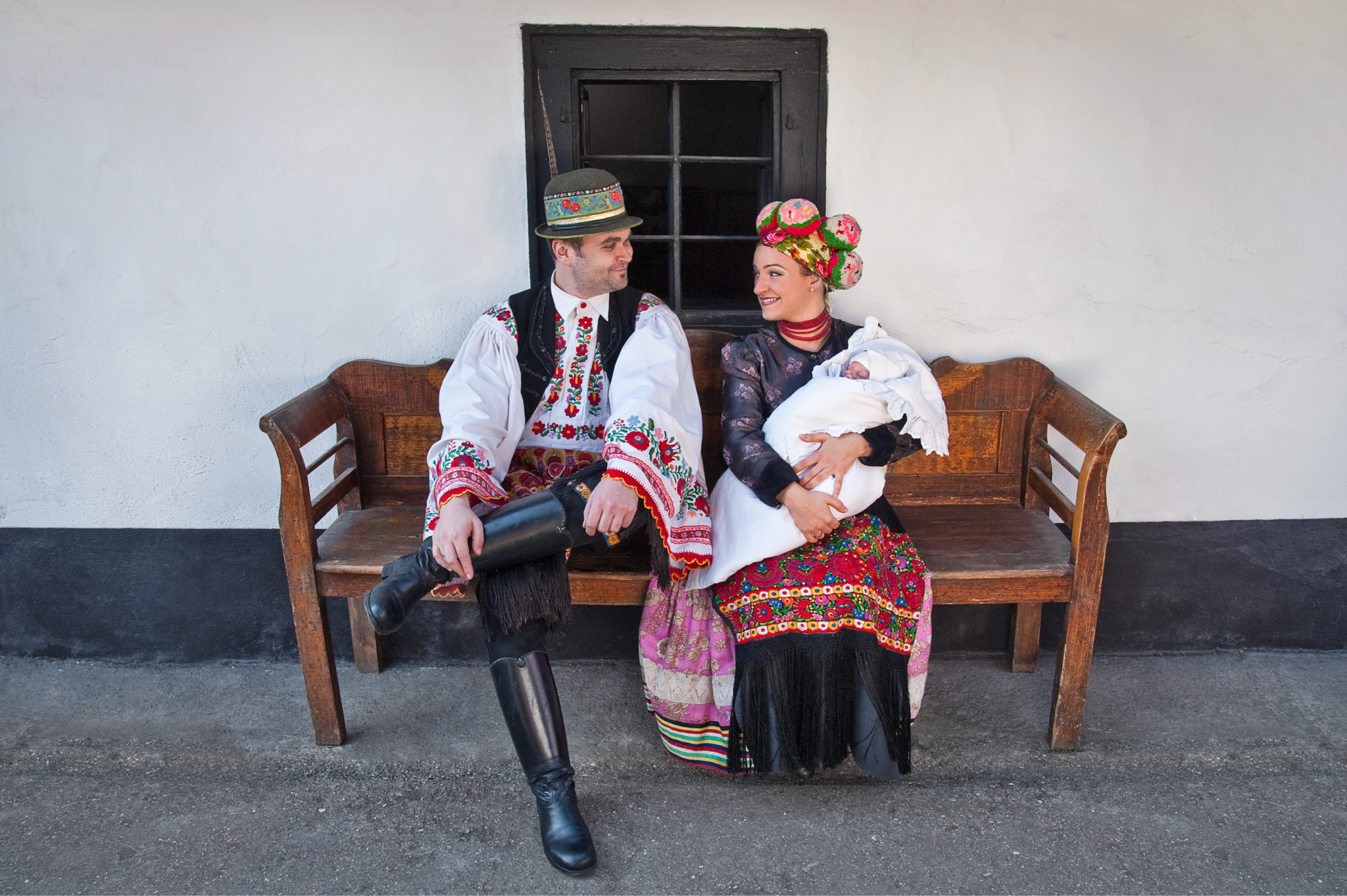
Understanding Hungarikums:The Ultimate Symbols of Hungarian Pride
Every country has its traditions, but Hungary has a unique, legally protected system to catalog its ultimate national treasures: Hungarikums. From world-class wines and fiery spices to masterfully crafted porcelain, a Hungarikum is more than just a product. It is a collective term indicating a value worthy of distinction. It represents the highest performance, uniqueness, and exceptional quality of the Hungarian people. The Legal Roots: Act XXX of 2012 The official movement to systematize these cultural assets began in the early 21st century. Following deep societal and professional collaboration, the Hungarian Government established Act XXX of 2012 on Hungarian National Values and Hungarikums. This law provides a formal legal framework to specify, protect, and promote Hungary’s most important treasures on both a local and international scale. Famous Examples of Hungarikums The official register spans across several distinct categories, including Agriculture and Food Industry, Health and Lifestyle, Built Environment, Cultural Heritage, National Environment, Industrial and technical Solutions, Tourism and Hospitality and Sport. Nearly 100 treasures have earned this title, showcasing the depth of Hungarian heritage. Here are some iconic examples: Agriculture and Food Industry Cultural Heritage How Does a Value Become a Hungarikum? Earning this title is not a top-down government appointment. Instead, it follows a strict, bottom-up submission process known as the National Value Pyramid: The UNESCO Exception There is a shortcut to the pyramid. Under the 2012 Act, any Hungarian site or tradition officially inscribed on the UNESCO World Heritage List is automatically fast-tracked and named a Hungarikum by the committee. This includes iconic places like the panorama of the Danube River and the Buda Castle Quarter. Read more about Hungarikums here: https://www.hungarikum.hu/en
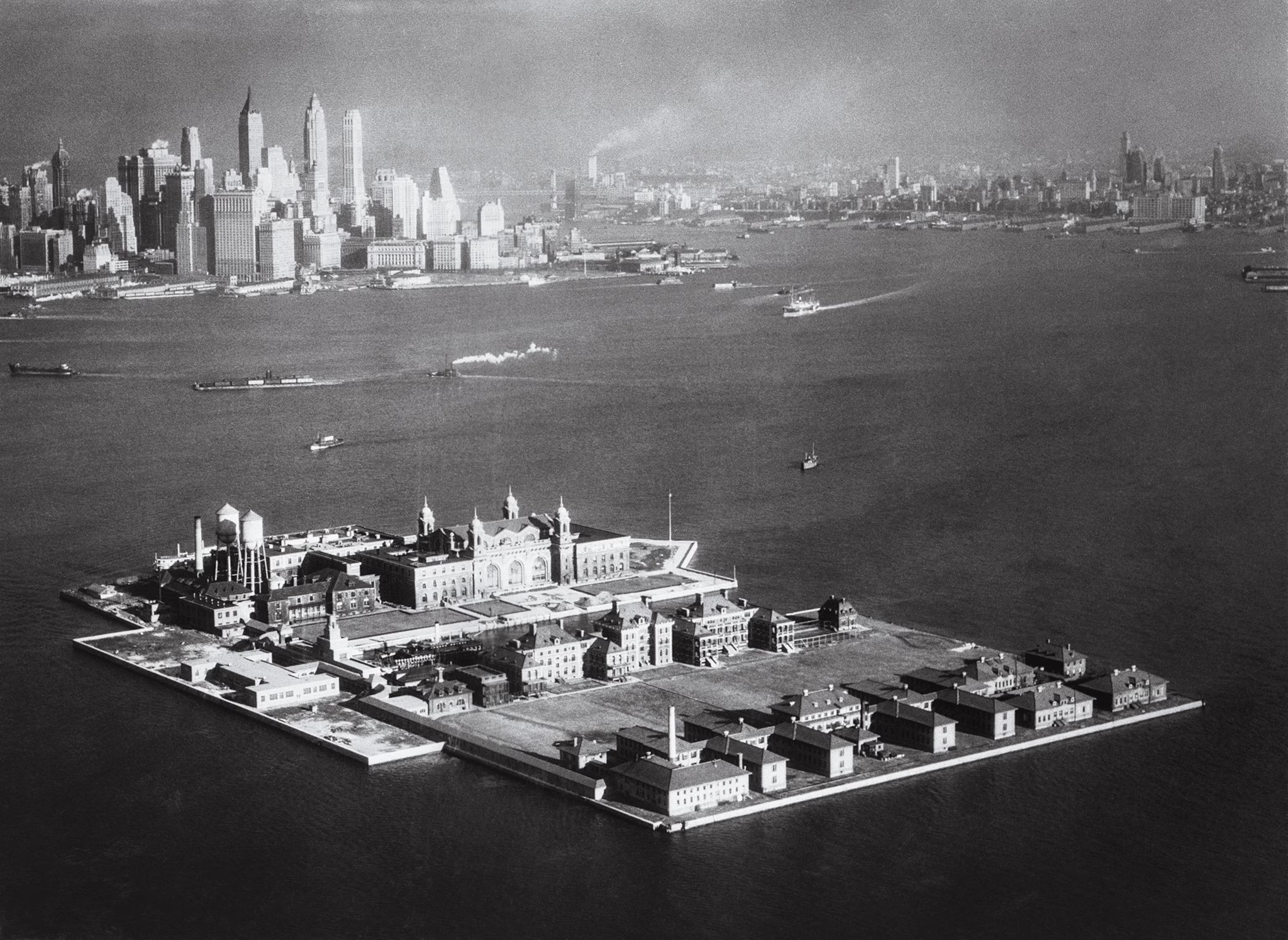
Faces of Hope and Hardship:The Untold History of Ellis Island
Between 1892 and 1954, Ellis Island served as the primary gateway to the American Dream for millions of immigrants. On its very first day of operations, January 1, 1892, the station welcomed 17-year-old Annie Moore from Cork, Ireland, who led a crowd of 700 hopeful newcomers off the ships. However, the experience of arriving in America depended heavily on how much money you had in your pocket. A Tale of Two Classes The immigration process exposed a stark economic divide right from the start: Capturing History: The Sherman Portraits Most of what we visually remember from this era comes from the lens of an amateur photographer named Augustus Sherman. Working as the Chief Registry Clerk on Ellis Island from 1892 until 1925, Sherman used his unique access to take striking portraits of immigrants wearing their traditional folk costumes. The subjects in these photographs were typically detainees waiting for travel tickets, money, or family members to collect them. These stunning visual records gained widespread recognition over the years: The Peak Years and Rigid Restrictions The year 1907 marked the absolute busiest period for the station, hitting an all-time record high in April when 11,747 immigrants arrived in a single month. For the average approved immigrant, a stay on the island lasted between three to five hours. Officials closely evaluated their occupation and financial stability, preferring that newcomers possess a starting sum of money to establish themselves. Only about two percent of immigrants were denied admission, primarily due to criminal backgrounds, insanity, or contagious diseases. By the 1920s, the welcoming atmosphere shifted toward strict restriction. New laws placed tight percentage quotas on specific ethnic backgrounds, openly favoring Northern and Western European immigrants over those from Southern and Eastern Europe. In its later years, the facility transitioned into a detention and deportation processing station. During World War II, its purpose shifted entirely, serving as a holding facility for German, Italian, and Japanese resident aliens. (Source: https://publicdomainreview.org/collection/portraits-of-ellis-island-immigrants/)