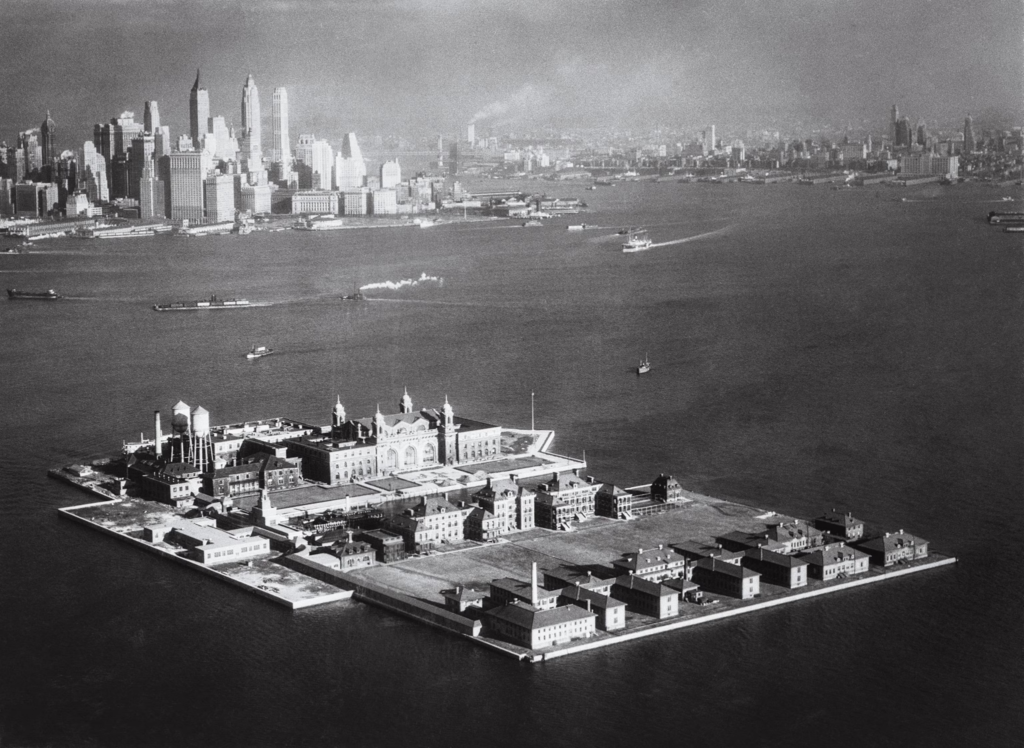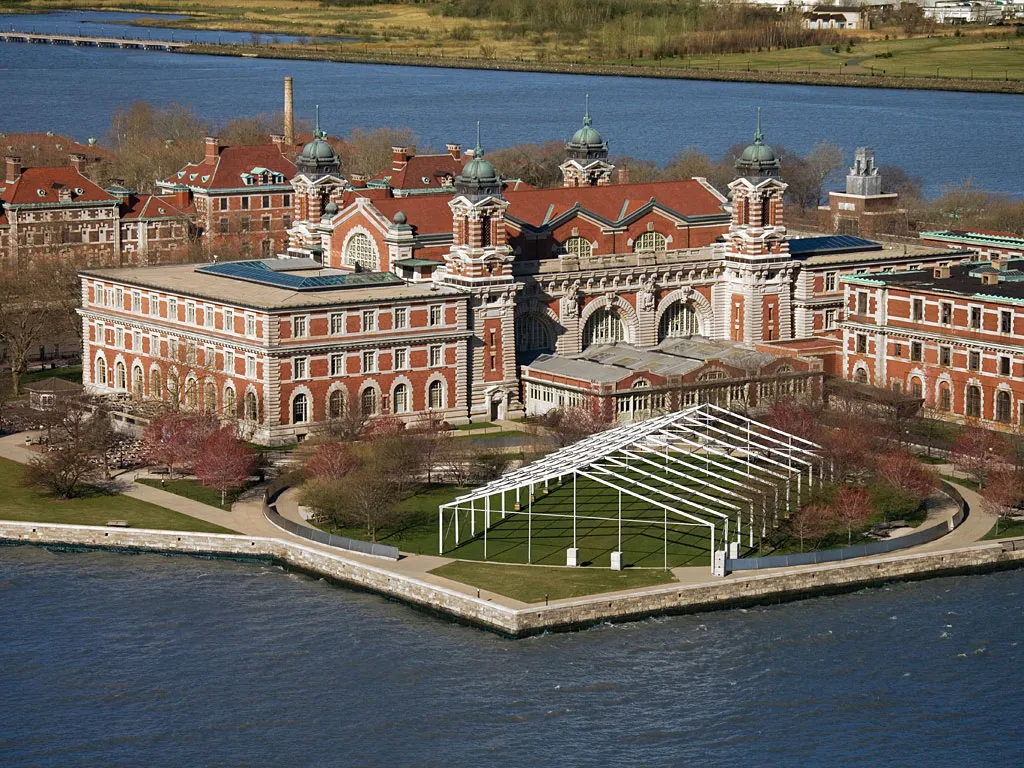
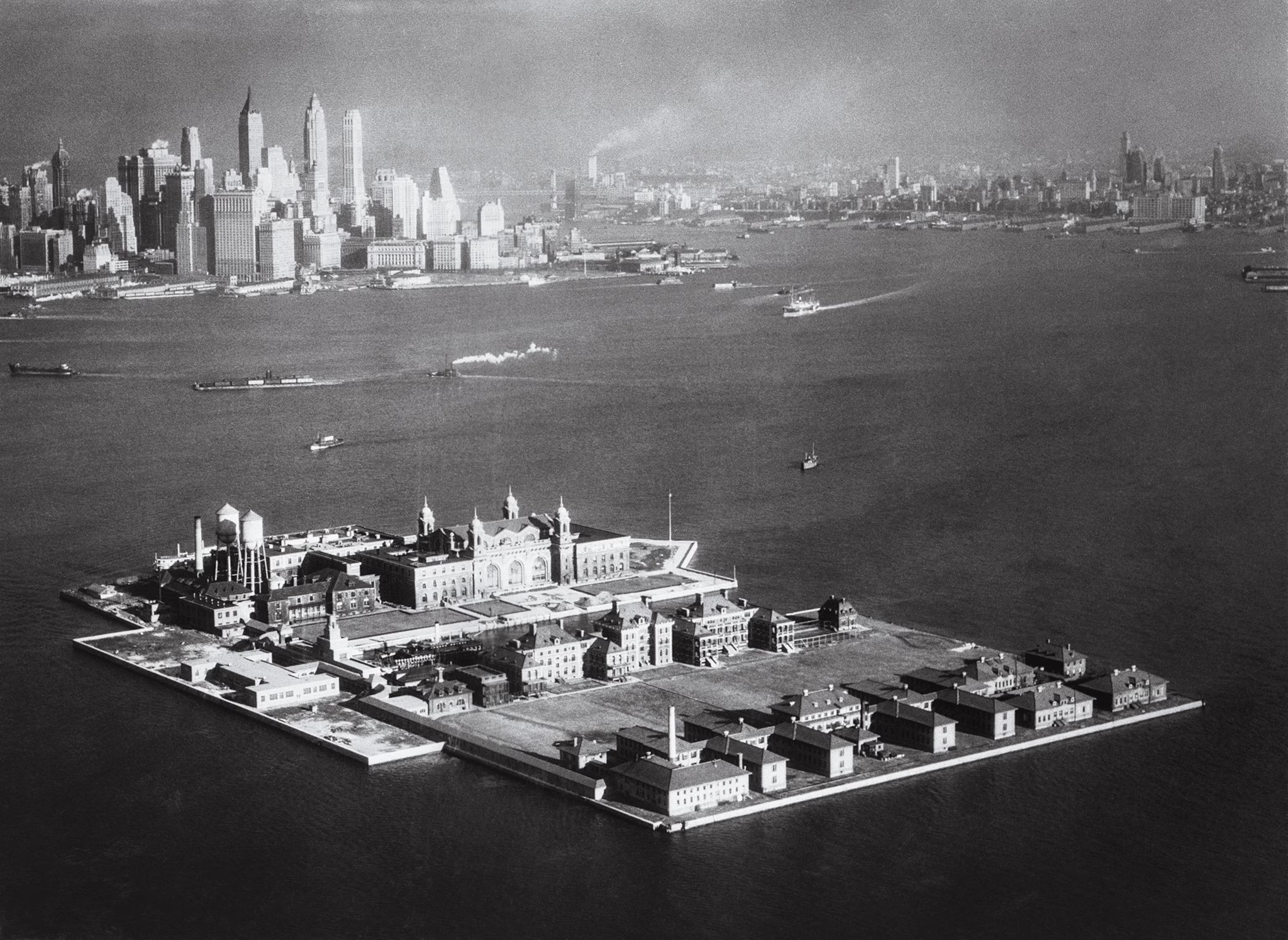
Between 1892 and 1954, Ellis Island served as the primary gateway to the American Dream for millions of immigrants. On its very first day of operations, January 1, 1892, the station welcomed 17-year-old Annie Moore from Cork, Ireland, who led a crowd of 700 hopeful newcomers off the ships.
However, the experience of arriving in America depended heavily on how much money you had in your pocket.
A Tale of Two Classes
The immigration process exposed a stark economic divide right from the start:
- First and Second Class: Deemed wealthy enough not to become a financial burden to the state, these passengers underwent quick medical examinations right onboard their ships and bypassed the island entirely.
- Poorer Passengers: Sent directly to Ellis Island, where they were subjected to intense legal inspections and rigorous medical checks.
Capturing History: The Sherman Portraits
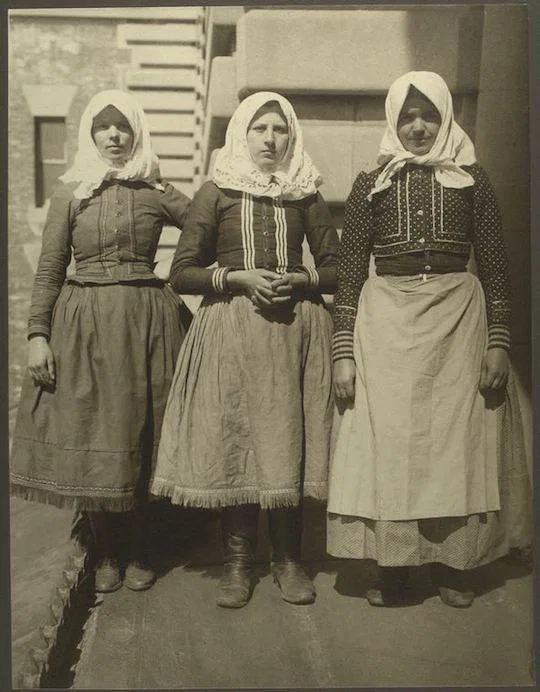
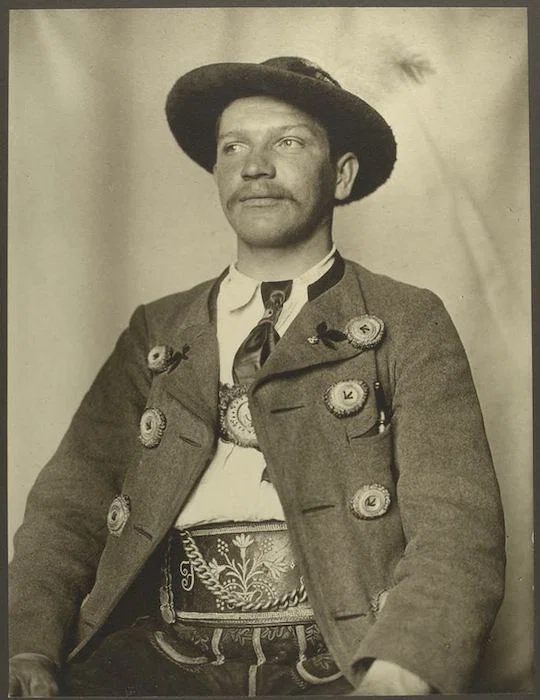
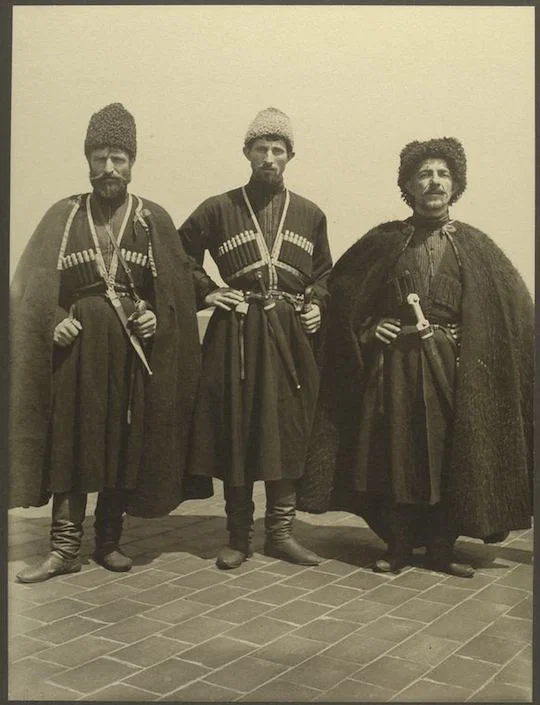
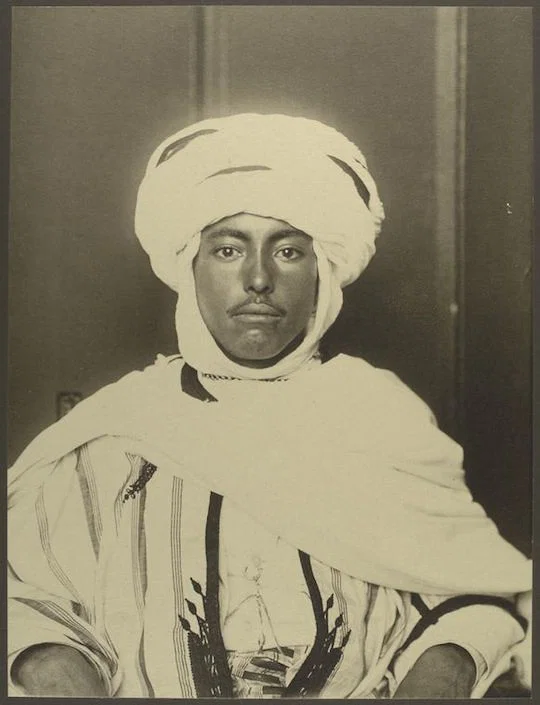
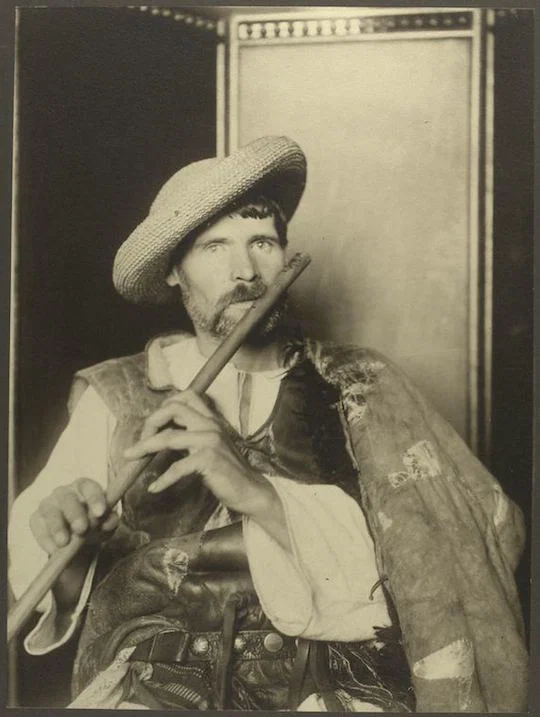
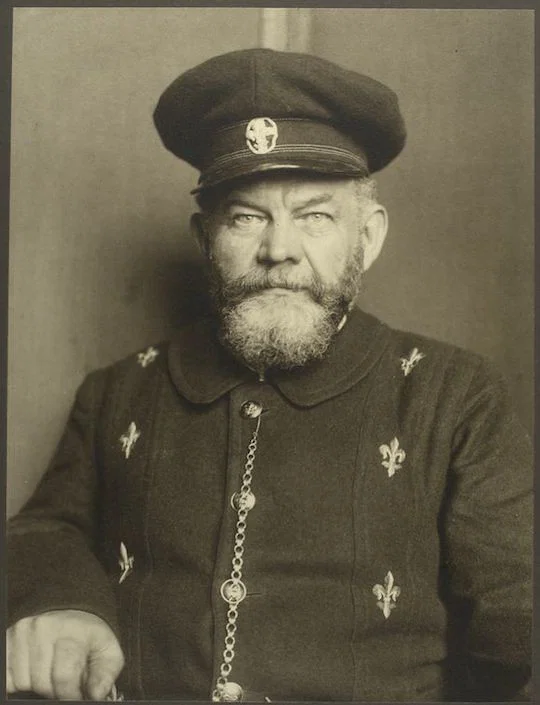
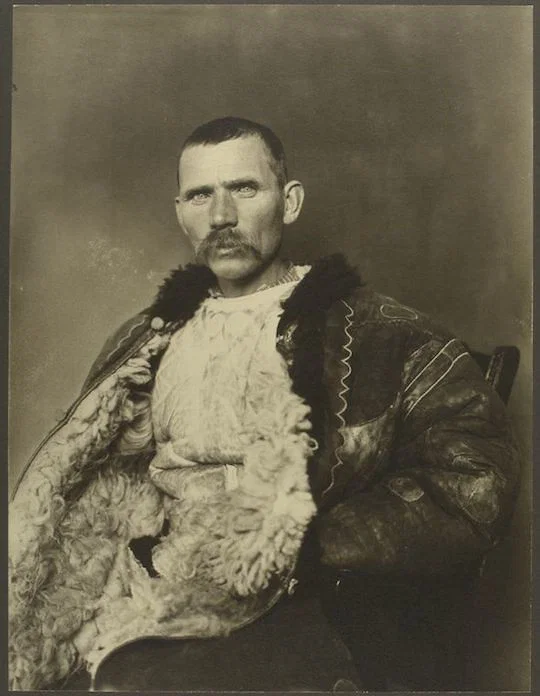
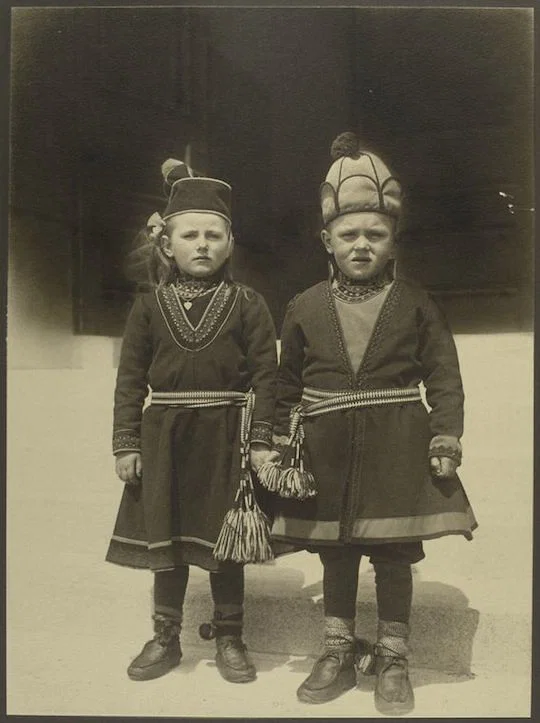
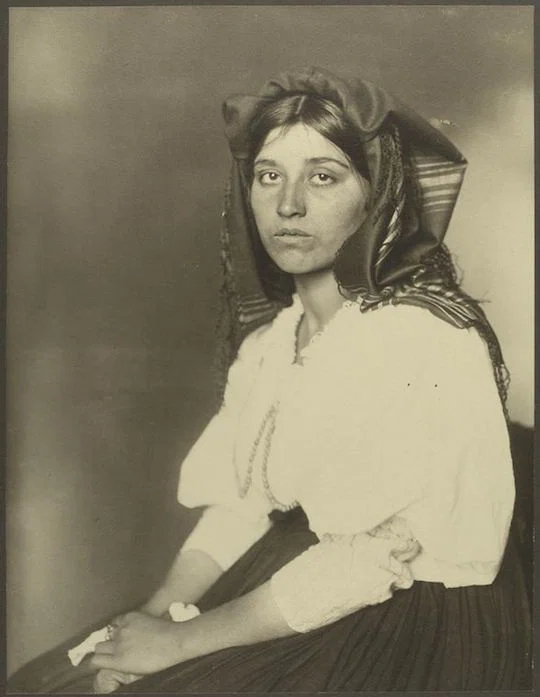
Most of what we visually remember from this era comes from the lens of an amateur photographer named Augustus Sherman. Working as the Chief Registry Clerk on Ellis Island from 1892 until 1925, Sherman used his unique access to take striking portraits of immigrants wearing their traditional folk costumes.
The subjects in these photographs were typically detainees waiting for travel tickets, money, or family members to collect them. These stunning visual records gained widespread recognition over the years:
- 1907: Published in National Geographic and hung on the walls of the federal Immigration Service headquarters in lower Manhattan.
- 2005: Preserved for the public when Aperture published a dedicated book featuring 97 full-page portraits.
The Peak Years and Rigid Restrictions
The year 1907 marked the absolute busiest period for the station, hitting an all-time record high in April when 11,747 immigrants arrived in a single month.
For the average approved immigrant, a stay on the island lasted between three to five hours. Officials closely evaluated their occupation and financial stability, preferring that newcomers possess a starting sum of money to establish themselves. Only about two percent of immigrants were denied admission, primarily due to criminal backgrounds, insanity, or contagious diseases.
By the 1920s, the welcoming atmosphere shifted toward strict restriction. New laws placed tight percentage quotas on specific ethnic backgrounds, openly favoring Northern and Western European immigrants over those from Southern and Eastern Europe. In its later years, the facility transitioned into a detention and deportation processing station. During World War II, its purpose shifted entirely, serving as a holding facility for German, Italian, and Japanese resident aliens.
(Source: https://publicdomainreview.org/collection/portraits-of-ellis-island-immigrants/)