Every country has its traditions, but Hungary has a unique, legally protected system to catalog its ultimate national treasures: Hungarikums.
From world-class wines and fiery spices to masterfully crafted porcelain, a Hungarikum is more than just a product. It is a collective term indicating a value worthy of distinction. It represents the highest performance, uniqueness, and exceptional quality of the Hungarian people.
The Legal Roots: Act XXX of 2012
The official movement to systematize these cultural assets began in the early 21st century. Following deep societal and professional collaboration, the Hungarian Government established Act XXX of 2012 on Hungarian National Values and Hungarikums. This law provides a formal legal framework to specify, protect, and promote Hungary’s most important treasures on both a local and international scale.
Famous Examples of Hungarikums
The official register spans across several distinct categories, including Agriculture and Food Industry, Health and Lifestyle, Built Environment, Cultural Heritage, National Environment, Industrial and technical Solutions, Tourism and Hospitality and Sport. Nearly 100 treasures have earned this title, showcasing the depth of Hungarian heritage. Here are some iconic examples:
Agriculture and Food Industry
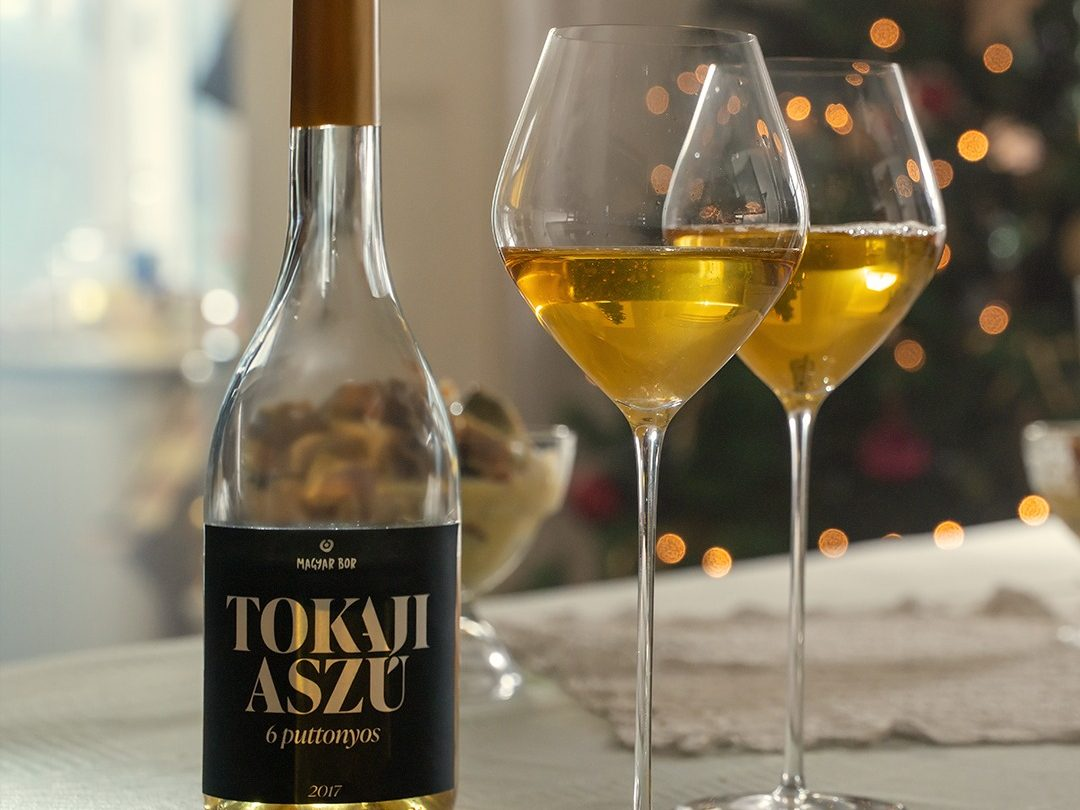
- Tokaji Aszú: A world-renowned sweet dessert wine from the historical Tokaj Wine Region.
- Hungarian Paprika: The vibrant, rich spice from Szeged and Kalocsa that serves as the backbone of Hungarian cuisine.
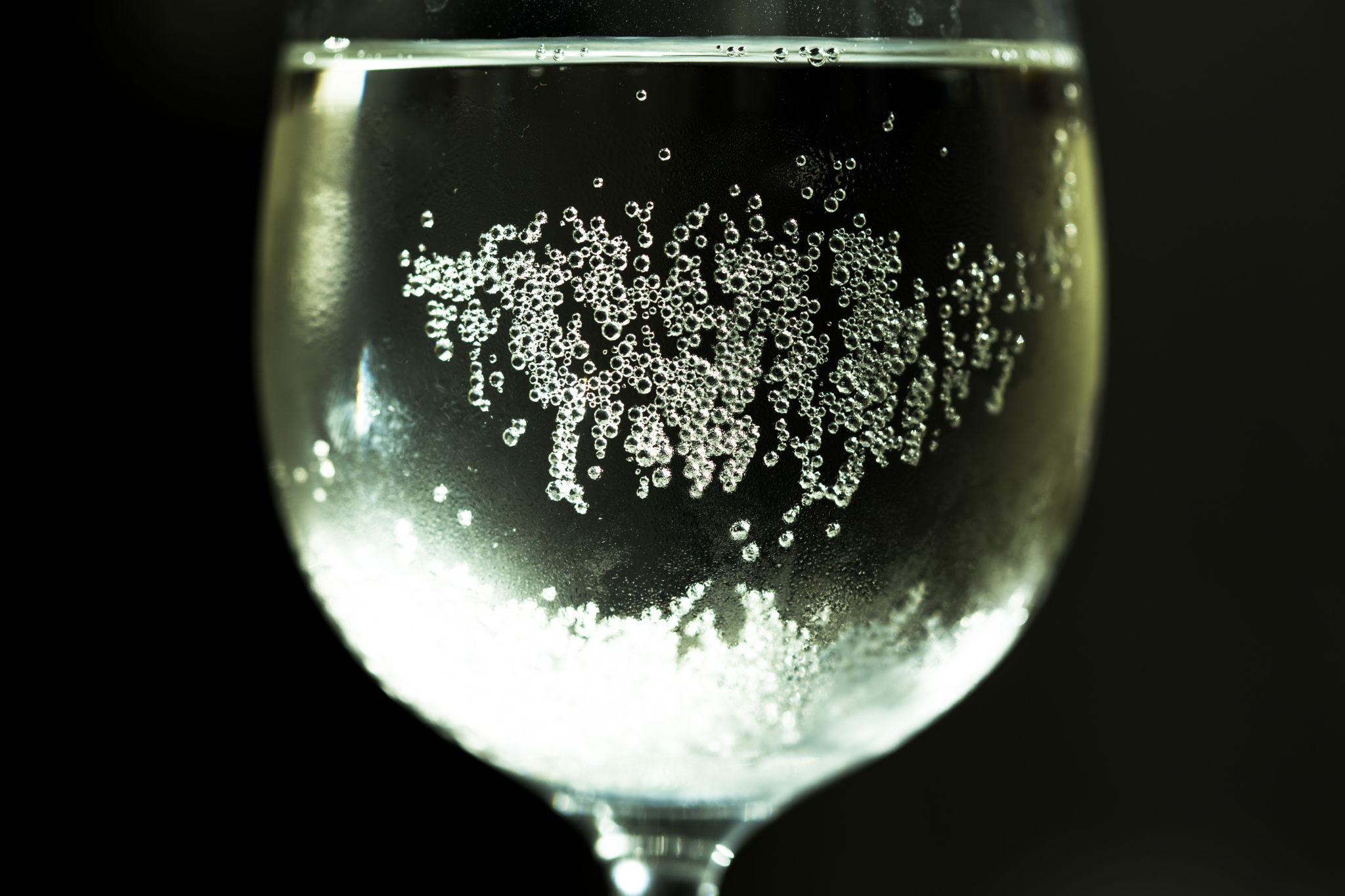
- Fröccs: A refreshing wine spritzer made by mixing wine and soda water in precise proportions—a summer favorite in Budapest’s ruin pubs.
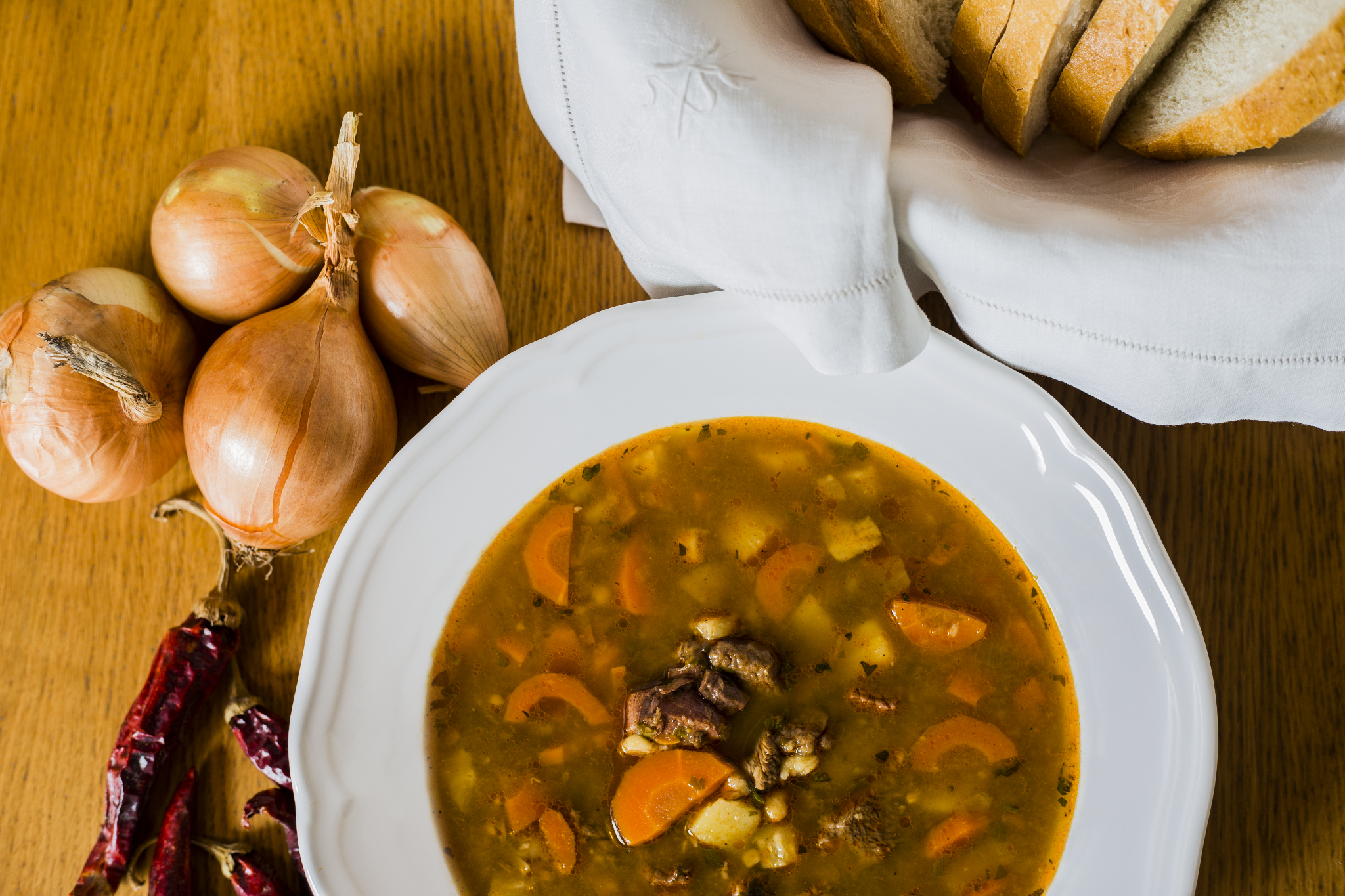
- Goulash Soup (Gulyásleves): The quintessential hearty, slow-cooked beef and potato soup seasoned heavily with paprika.
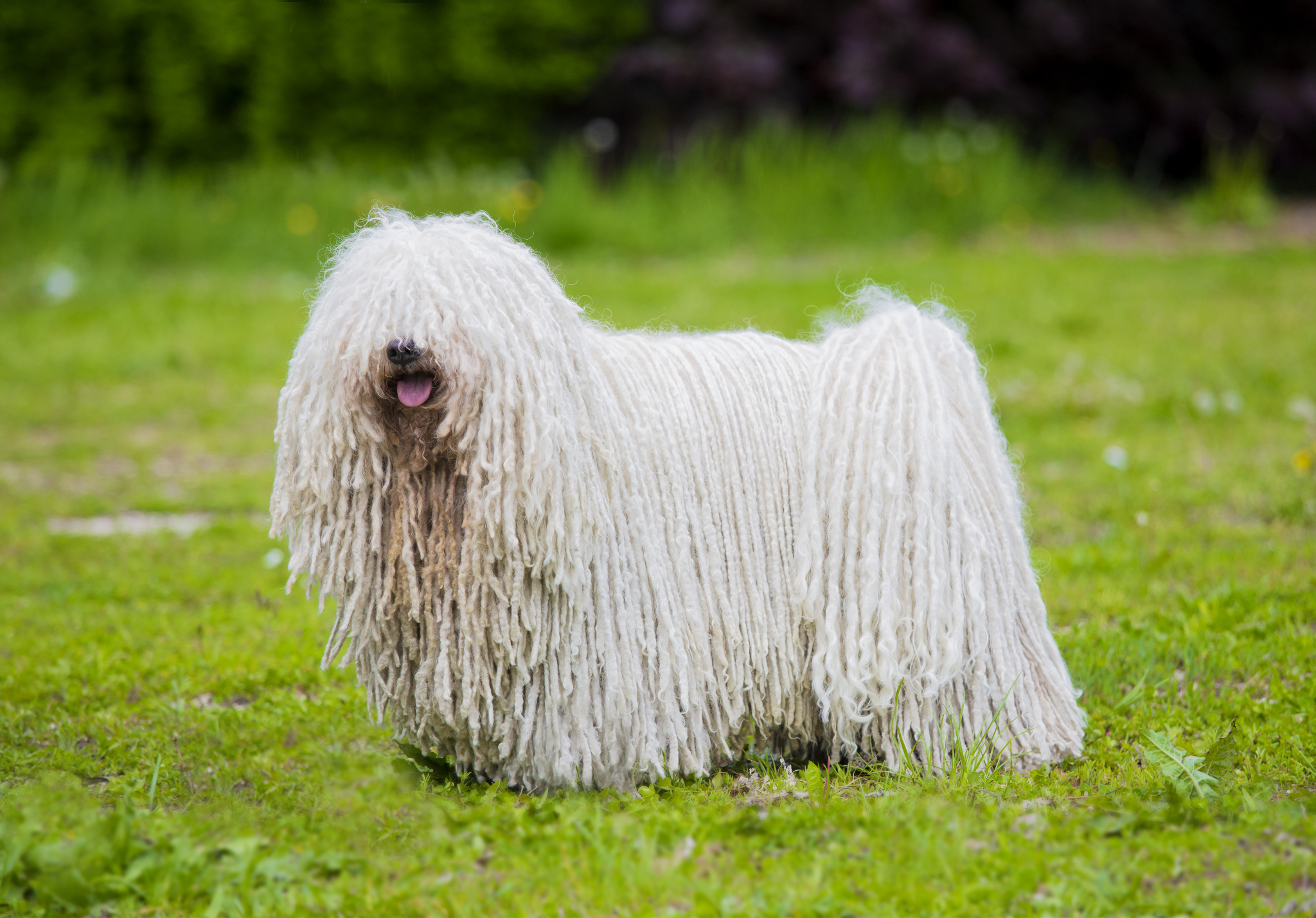
- Hungarian Shepherd and Hunting Dogs: Hungarian dog breeds like Komondor, Puli, Mudi, Kuvasz, Pumi, Hungarian Vizsla.
Cultural Heritage
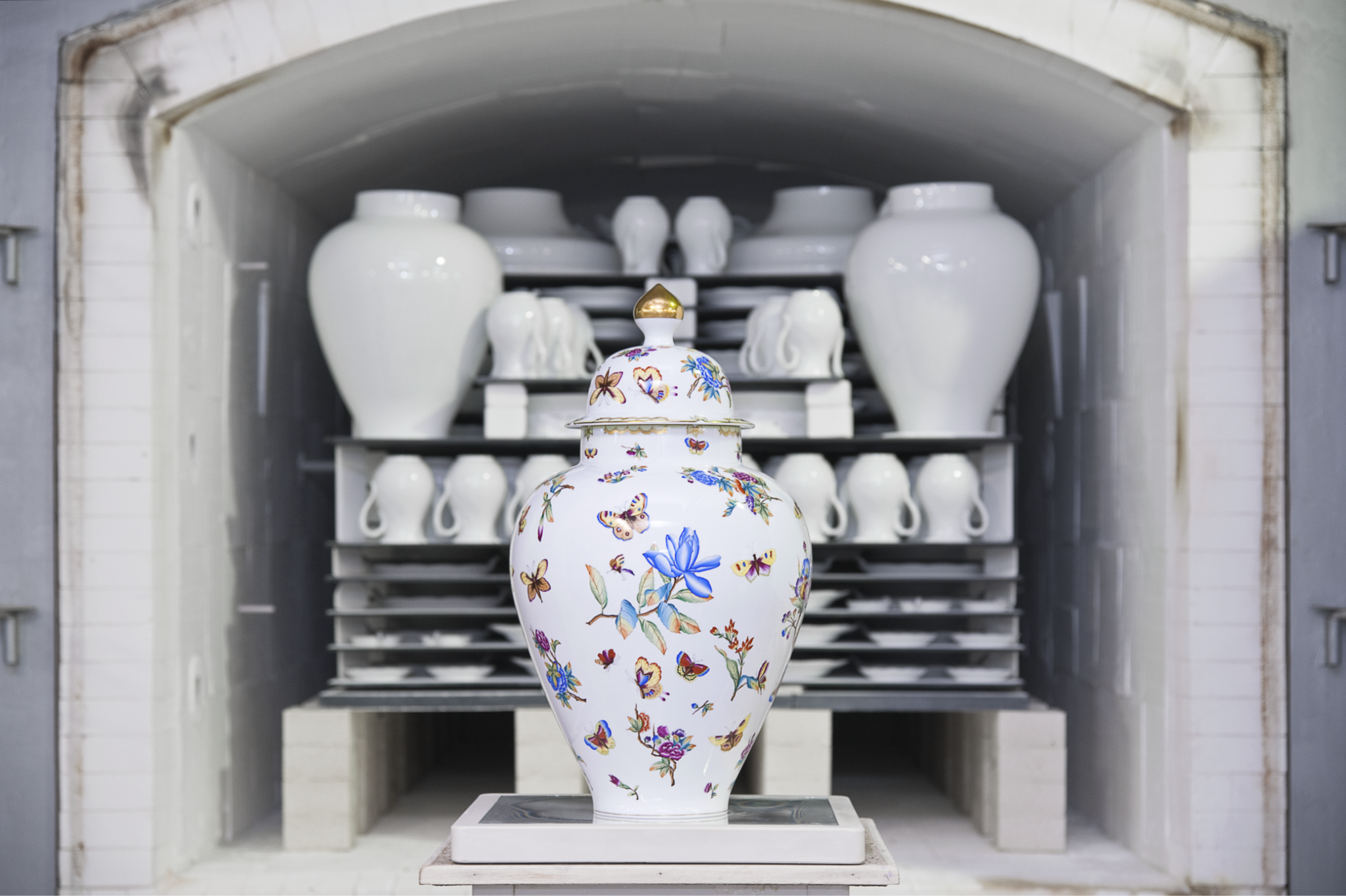
- Herend Porcelain: High-end, luxury hand-painted porcelain that has won international acclaim since the 19th century.
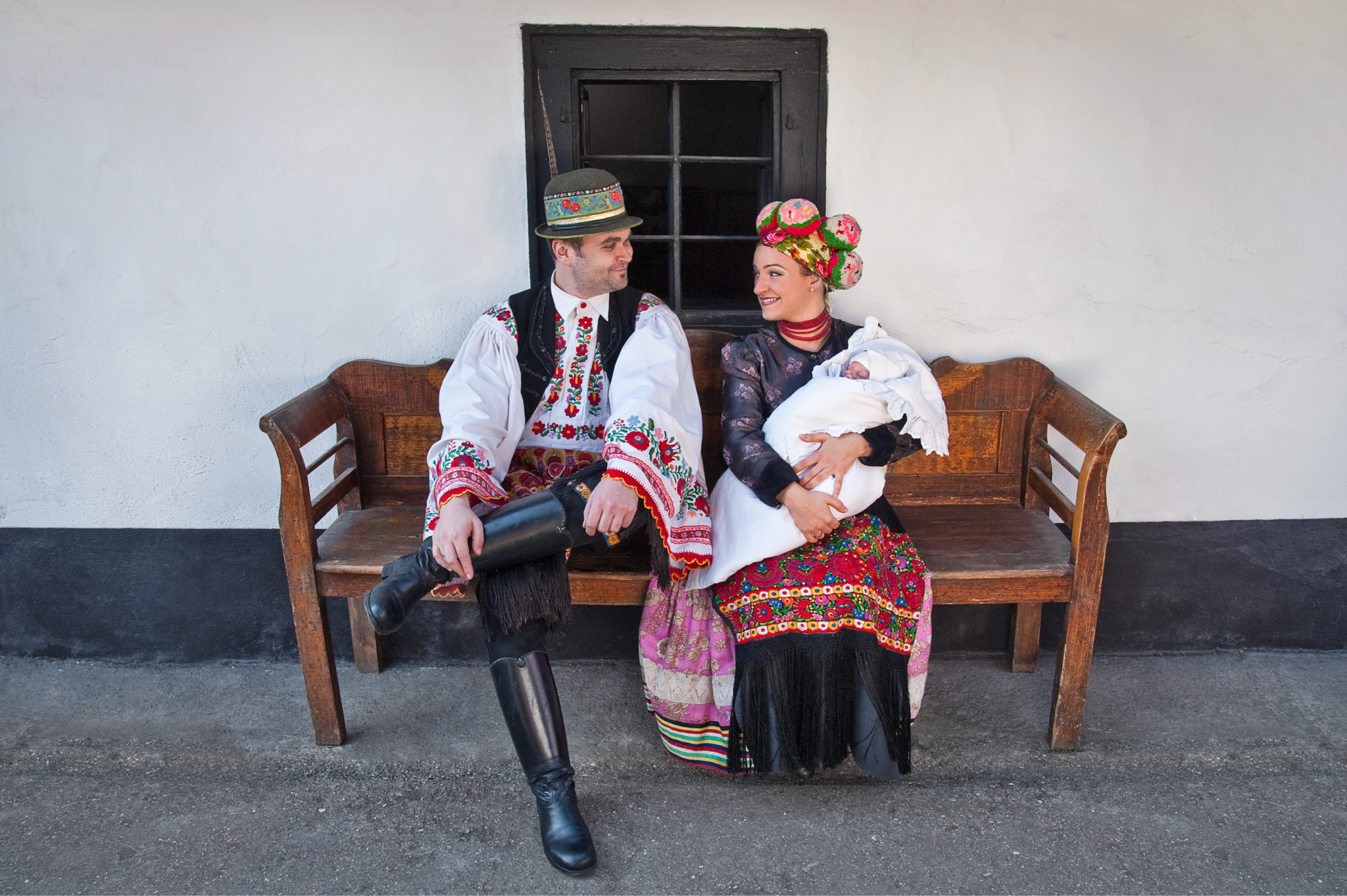
- Matyó Folk Art: Intricate, vibrant floral embroidery unique to the traditional Matyó community in northern Hungary.
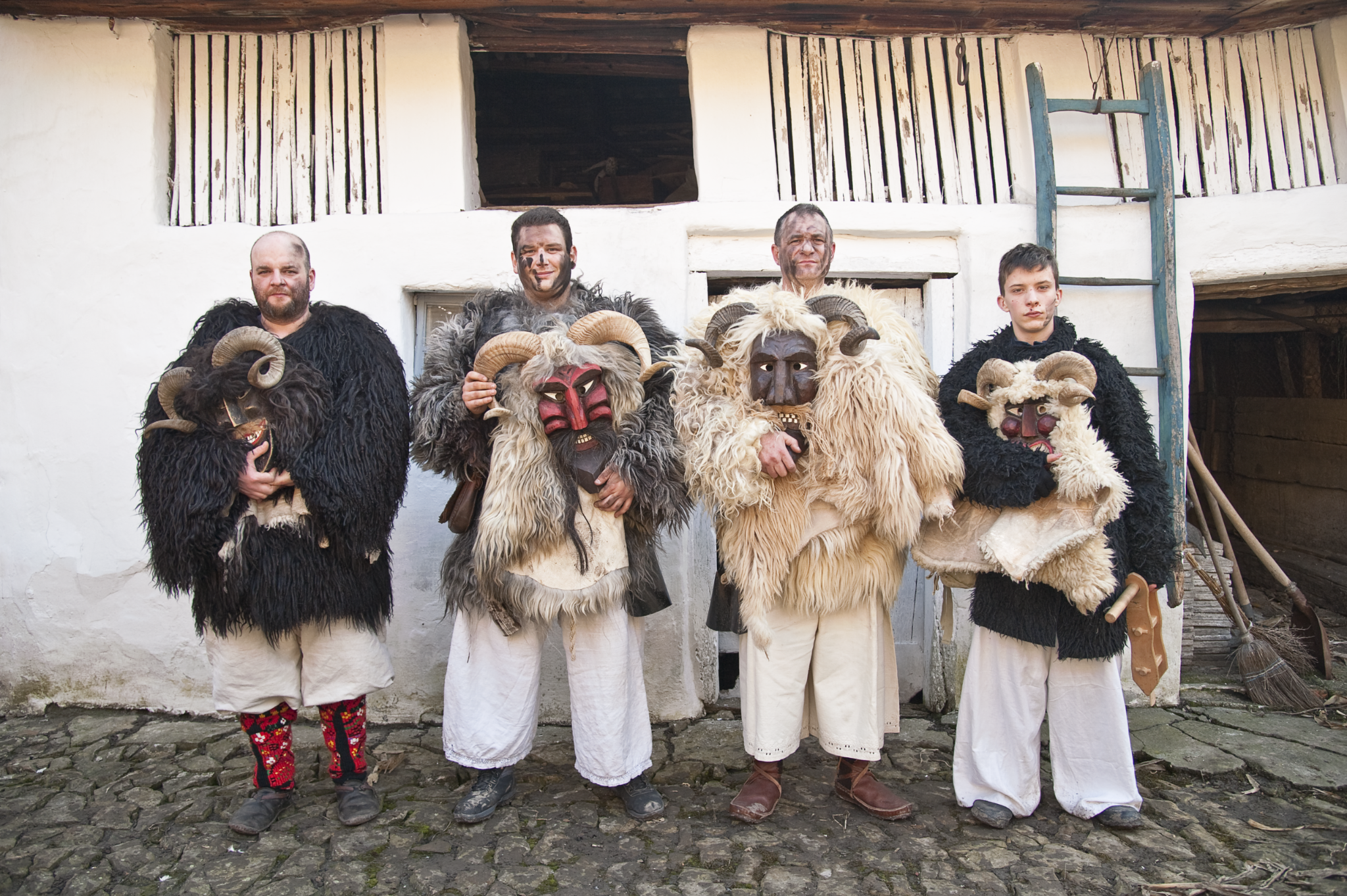
- Busójárás of Mohács: A lively, 6-day winter-expelling carnival featuring townspeople wearing terrifying wooden masks and large sheepskin coats.
How Does a Value Become a Hungarikum?
Earning this title is not a top-down government appointment. Instead, it follows a strict, bottom-up submission process known as the National Value Pyramid:
- Submission: Anyone can nominate a value by filling out a standard application form.
- Local Collection: The item is reviewed and added to the local municipal or regional value collection.
- Outstanding Value: If the value holds broader significance, it is nominated to move up into the Collection of Hungarian Values.
- Hungarikum Status: Finally, the Official Hungarikum Committee reviews the asset. If approved, it is added to the prestigious, top-tier Collection of Hungarikums.
The UNESCO Exception
There is a shortcut to the pyramid. Under the 2012 Act, any Hungarian site or tradition officially inscribed on the UNESCO World Heritage List is automatically fast-tracked and named a Hungarikum by the committee. This includes iconic places like the panorama of the Danube River and the Buda Castle Quarter.
Read more about Hungarikums here: https://www.hungarikum.hu/en